 orywire
News that matters globallyReporting on public life and major developments across the U.S., the UK, and beyond.
orywireCertain 2021–2025 Jeep Wrangler and Gladiator vehicles are being recalled because power steering pump wiring may overheat and create a fire risk. Owners should check their VIN and park away from buildings or other vehicles until the recall repair is completed.
 By David Carter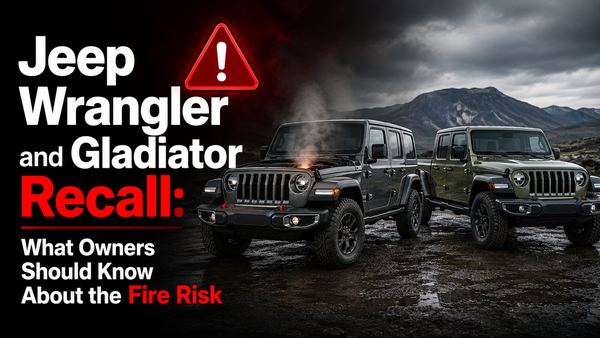
Certain Jeep Wrangler SUVs and Jeep Gladiator pickups from model years 2021 through 2025 are under a U.S. safety recall because an electrical connection in the electric hydraulic power steering pump wiring can overheat and increase the risk of fire. FCA US is telling owners to park away from structures or other vehicles until the remedy is completed.
The safest first step is not to rely on the model year alone. Owners should check the 17-character VIN through the NHTSA or Mopar recall lookup tools and follow the instructions in any recall notice.
Chrysler, which does business in the U.S. as FCA US, listed 1,076,999 potentially involved U.S. vehicles in NHTSA recall 26V363. FCA’s manufacturer recall number is 21D.
The recall covers certain vehicles, not necessarily every Wrangler or Gladiator from those model years. FCA says the recall includes gas, diesel and plug-in hybrid electric powertrains, so Wrangler 4xe owners should not assume they are excluded.
FCA also says this recall is separate from Jeep Wrangler 4xe and Jeep Grand Cherokee 4xe high-voltage battery recalls.
The NHTSA safety recall report says some vehicles may have an electric hydraulic power steering pump electrical connection that is susceptible to high resistance. In some circumstances, that electrical activity can overheat combustible materials.
That is the reason for the parking guidance. FCA says owners should park away from structures or other vehicles until the remedy is obtained.
The company’s public recall FAQ says it is aware of 72 potentially related incidents. The NHTSA report says that, as of May 18, FCA was not aware of any accidents and was aware of one potentially related injury across all markets.
NHTSA’s recall report says some customers may experience a loss of power steering assist or a “Service Power Steering” diagnostic trouble code.
Those signs are not the only way to determine whether a vehicle is included. A VIN check is still the best way to confirm recall status, especially because newly announced recalls may take time to appear for every affected vehicle.
Owners who see a power steering warning or experience a loss of assist should contact a Jeep dealer and follow the safety instructions in the recall notice.
FCA says dealers will inspect affected vehicles and repair or replace the wiring harness and/or electric hydraulic power steering pump as needed. Recall repairs are performed at no cost to customers.
The remedy is expected to be available no later than July, according to FCA’s recall FAQ. NHTSA’s report lists dealer notification for June 11 and planned remedy owner notifications from July 9 through Aug. 3.
FCA says customers may continue driving, but the company is still advising owners to park away from structures or other vehicles until the recall remedy is completed.
The exact repair needed may vary by vehicle because FCA describes the remedy as an inspection with repair or replacement of affected parts as necessary.
Owners should watch for three updates: VIN search availability, the mailed owner notice and dealer appointment availability. The recall status should also be checked again after June 11 and during the July owner-notification window.
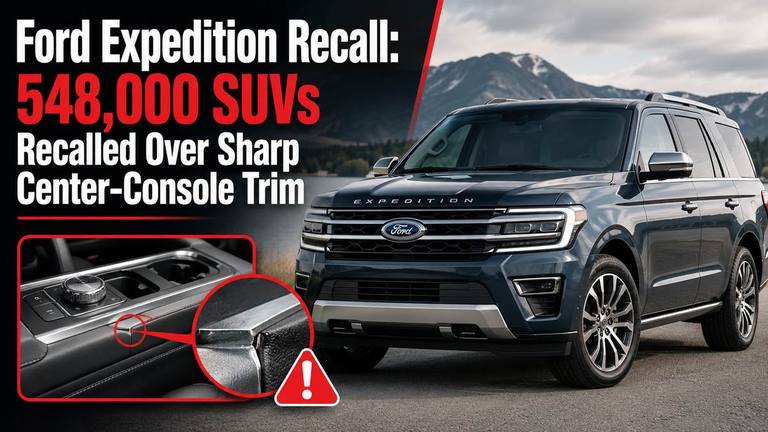
Ford is recalling certain 2018–2024 Expedition SUVs because peeling chrome trim on the center console may create sharp edges. Owners should check their VIN and watch for Ford’s mail notices before scheduling the free dealer inspection.
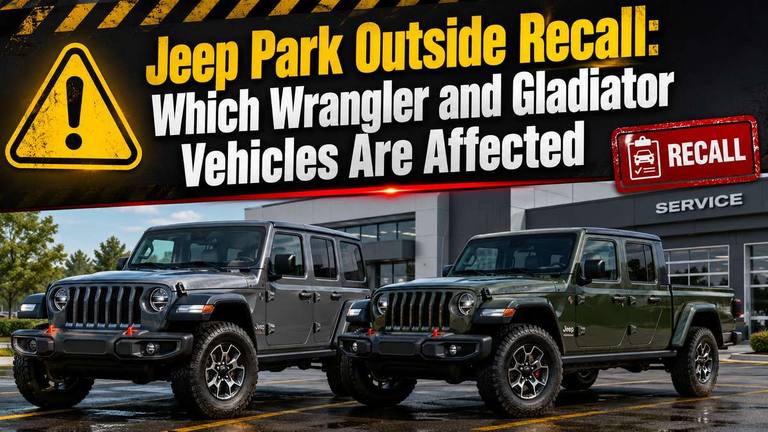
FCA US is recalling more than 1 million 2021-2025 Jeep Wrangler and Gladiator vehicles over a fire risk tied to power-steering pump wiring. NHTSA says affected owners should park outside and away from buildings and other vehicles until repairs are made.
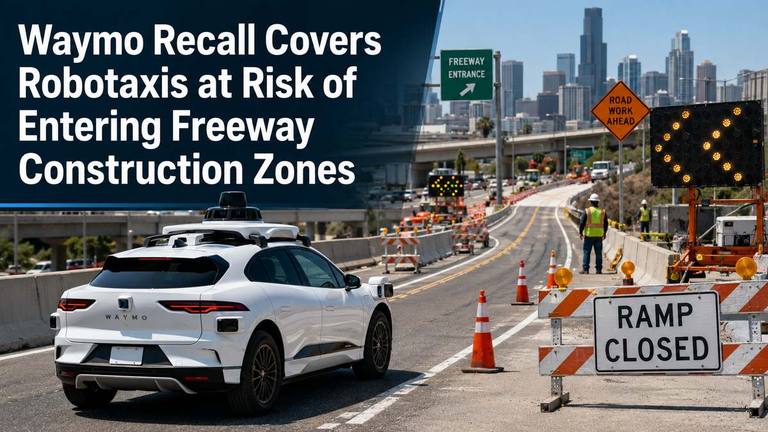
NHTSA says Waymo is recalling 3,871 fifth-generation automated driving systems because the software may let autonomous vehicles enter closed freeway construction zones and keep driving at speed. Waymo has restricted freeway driving while a software remedy is under development.