 orywire
News that matters globallyReporting on public life and major developments across the U.S., the UK, and beyond.
orywireClover Hill Dairy has recalled its requesón/soft ricotta cheese after Listeria was found during an outbreak investigation. Consumers, restaurants and retailers should check for the recalled cheese, stop using it and clean any surfaces it touched.
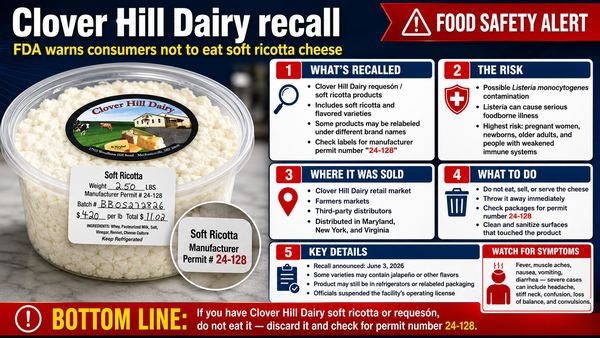
Clover Hill Dairy has recalled all requesón/soft ricotta cheese manufactured by the company after public health investigators found Listeria monocytogenes in cheese tied to an outbreak. Consumers, restaurants and retailers should not eat, sell or serve the recalled cheese and should throw it away or return it.
The FDA and CDC said the Listeria investigation remains ongoing. As of the latest official updates, CDC reported eight illnesses, seven hospitalizations and one death in a multistate outbreak linked to soft cheese.
The recall covers all requesón/soft ricotta cheese manufactured by Clover Hill Dairy of Mechanicsville, Maryland, according to the FDA.
FDA and Maryland health officials said some varieties may include jalapeño or other flavors. The cheese may also have been relabeled under a different brand name after distribution, so shoppers should check the manufacturer information on the package when it is available.
The FDA did not list one UPC, sell-by date or single lot-code cutoff in the accessible advisory. Instead, the agency said the recall includes all requesón cheese manufactured by Clover Hill Dairy. If the cheese was frozen without its original package and cannot be identified, FDA says to throw it away.
Clover Hill Dairy products were sold directly from the company’s retail market in Maryland, at farmers markets and through third-party distributors, including in New York and Virginia, according to Maryland health officials and the FDA.
The FDA’s distribution table lists Maryland, New York and Virginia as confirmed product-distribution states and says the product could have reached additional states. CDC’s locations page gives a broader warning that recalled products were distributed nationwide.
Because the cheese may have been relabeled, consumers should not rely only on the store location or brand name. The safest step is to check the manufacturer or plant information and avoid any product that appears to be Clover Hill Dairy requesón/soft ricotta.
CDC said public health officials are investigating a multistate Listeria outbreak linked to soft cheese. The illnesses were reported in Maryland, New York and Virginia.
The FDA said the investigation is in its early stages and that additional products may be impacted. The agency also said there is not enough evidence yet to determine whether the recalled cheese explains the entire outbreak.
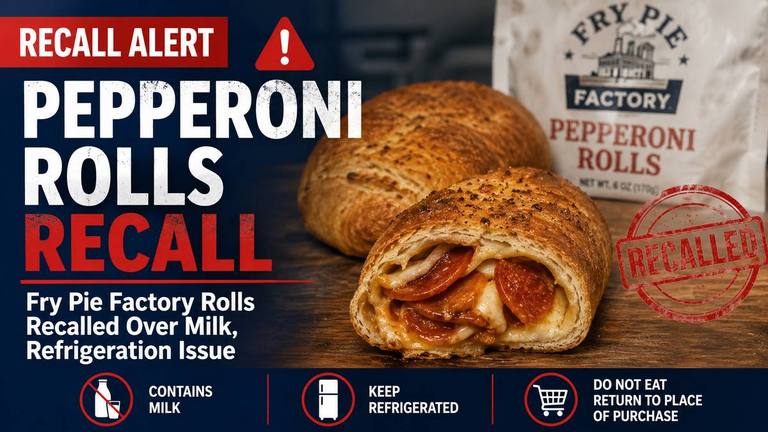
Fry Pie Factory recalled 5-ounce Pepperoni Rolls sold in Ohio and parts of West Virginia because milk was not declared on the label and the rolls were not kept at proper refrigeration temperatures. Consumers should not eat the recalled product and should discard it or return it for a refund.
Investigators in New York tested cheese samples from a retail location where sick people had shopped. One sample of repacked requesón tested positive for Listeria, and whole genome sequencing, a DNA testing method, showed the bacteria matched the strain linked to the two New York cases.
New York agriculture officials later collected a sample from an unopened 18-pound bucket of requesón supplied by Clover Hill Dairy. CDC said that sample also tested positive for Listeria, with further genetic testing pending to determine whether it matches the outbreak strain.
Do not taste the cheese to see whether it seems safe. Listeria-contaminated food may look, smell and taste normal.
Consumers should check refrigerators and freezers for Clover Hill Dairy requesón/soft ricotta cheese, including products that may have been repackaged or relabeled. FDA and CDC say recalled cheese should be thrown away or returned to the place of purchase.
After removing the cheese, clean and sanitize refrigerator shelves, containers, utensils, counters and any other surfaces that may have touched it. Listeria can survive in refrigerated temperatures and can spread to other foods and surfaces.
Restaurants, retailers and distributors should not sell or serve recalled cheese. Businesses that handled the product should wash and sanitize items and surfaces that may have come in contact with it.
Listeria can cause serious illness, especially in people who are pregnant, adults 65 or older and people with weakened immune systems. CDC says pregnant people may have mild symptoms, such as fever, muscle aches and tiredness, but infection can lead to pregnancy loss, premature birth or serious illness in newborns.
Other people may develop symptoms such as fever, muscle aches, tiredness, headache, stiff neck, confusion, loss of balance or convulsions. Symptoms usually start within two weeks after eating contaminated food, but CDC and FDA say they can begin as early as the same day or as late as 10 weeks later.
Anyone who develops symptoms after eating recalled cheese should contact a health care provider and mention the possible Listeria exposure.
FDA and CDC are still investigating whether other cheeses or products are linked to the outbreak. The most important updates to watch are any expanded recall, new product names, UPCs, lot codes, sell-by dates, distribution changes or revised case counts.
For now, the official consumer guidance is clear: do not eat, sell or serve Clover Hill Dairy requesón/soft ricotta cheese.
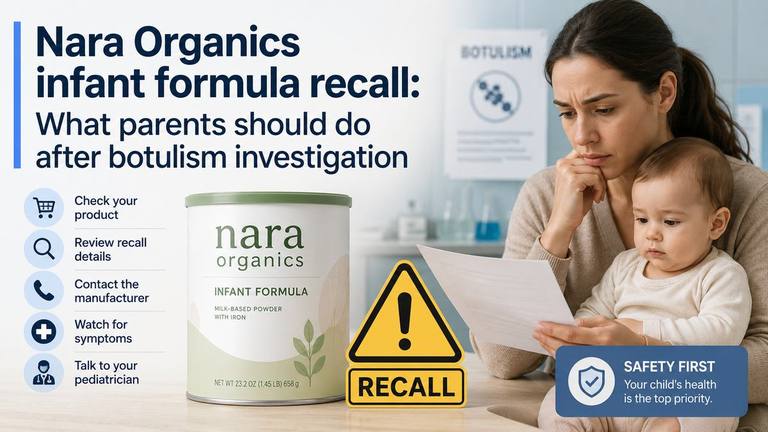
Nara Organics has recalled all Nara Organics Whole Milk Organic Infant Formula in the U.S. amid an FDA and CDC infant botulism investigation. Caregivers should stop using the formula immediately and follow official guidance for opened and unopened cans.
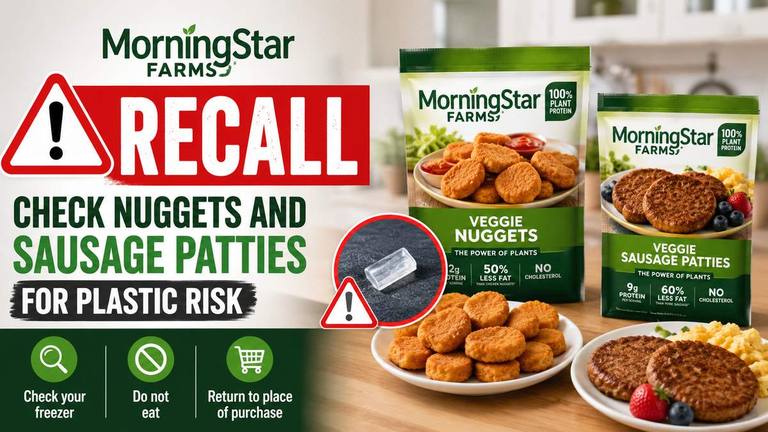
MorningStar Farms recalled select Buffalo Chik’n Nuggets and Hot & Spicy Sausage Patties because of possible plastic pieces in the food. Consumers should check UPCs and better-if-used-before dates before using products from the freezer.