 orywire
News that matters globallyReporting on public life and major developments across the U.S., the UK, and beyond.
orywireThe one-off MenB vaccine programme covers Year 13 pupils and under-25s starting university or some residential further education for the first time. NHS public information says the offer starts from 20 July 2026, with two doses needed for protection.
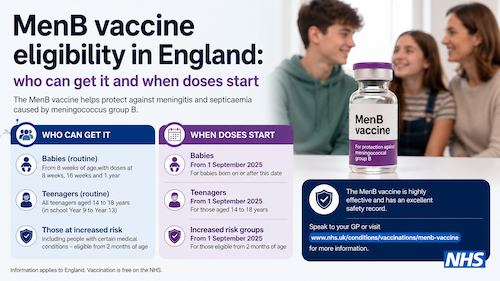
England’s new one-off MenB vaccine offer is aimed at Year 13 pupils and under-25s starting university or some residential further education for the first time this autumn. NHS public information says the offer starts from 20 July 2026, with two doses needed for protection.
MenB means meningococcal group B. The bacteria can cause serious illnesses including meningitis and septicaemia, so the new programme is designed to get eligible young people vaccinated before the autumn term.
The offer covers two main groups.
Group one is young people in the Year 13 age group in England who were born between 1 September 2007 and 31 August 2008. The Department of Health and Social Care says all people in that birth-date range will be offered the vaccine, regardless of whether they plan to go to university.
Group two is young people aged 24 or under who are starting university as undergraduates for the first time in autumn 2026. The UK Health Security Agency describes this as undergraduate freshers who turn 25 after 31 December 2026 and will attend university for the first time.
The offer also covers people aged 24 or under who will be living in some residential further education accommodation, including halls of residence, for the first time in autumn 2026.
International students in the eligible age group are included. Government guidance says those entering their first year of university should receive a first dose in their home country where possible if they are not arriving in the UK until September.
The NHS patient page says the MenB offer for young people starts from 20 July 2026. The government announcement says vaccinations in England are expected to be available from the end of July, with bookings opening in mid-July.
Eligible students need two doses. The UK Health Security Agency (UKHSA) says the second dose should be given at least 28 days after the first, and that the body then takes a further two weeks to build a good level of immunity. That means the full course takes about six weeks from first dose to stronger protection.
First doses can continue to be given until 31 December 2026. Second doses can be given until 31 March 2027, but health officials are encouraging eligible people to start as early as possible so they can complete the course before cases usually rise in autumn.
In England, vaccines are expected to be offered through participating community pharmacies. UKHSA says Year 13 pupils in the eligible age group will be contacted by the NHS and sent a link to book a pharmacy appointment.
The government announcement says eligible people may be contacted through the NHS App, text, email or letter, depending on the records held by the health service. NHS England said those under 25 starting university for the first time will be able to book directly with available pharmacies.
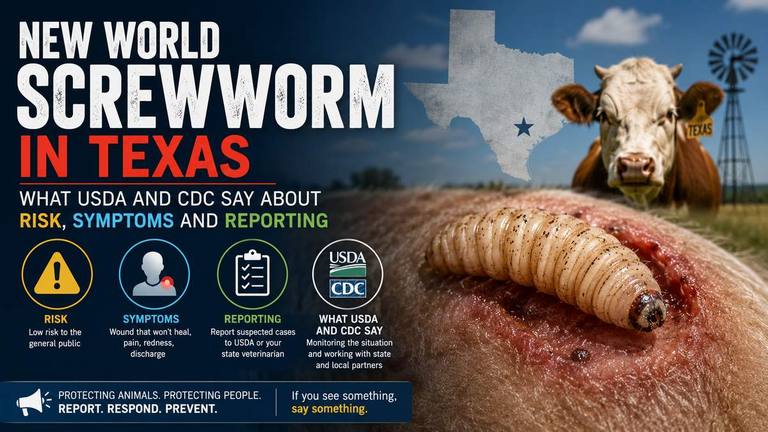
USDA confirmed New World screwworm in a Texas calf on June 3, and state and federal agencies are urging fast reporting of suspicious animal wounds. CDC says no locally acquired human infestations have been reported in the United States, but people and animal owners should know the symptoms and reporting steps.
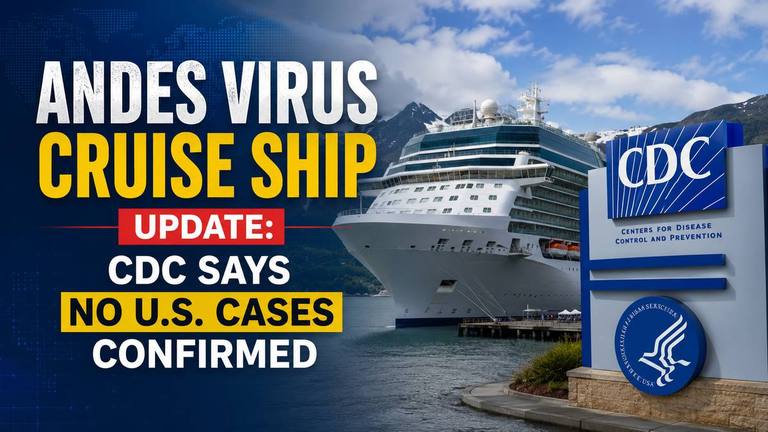
CDC says no Andes virus cases tied to the M/V Hondius cruise-ship outbreak have been confirmed in the United States. The agency says the overall risk to the American public and travelers remains extremely low while exposed passengers complete monitoring.
The NHS patient page also says eligible people will be able to book an appointment online or go to a walk-in vaccination site without an appointment. The exact local options may vary as the rollout is finalised, so students and families should use the route given in the NHS invitation or booking service.
This is not a universal MenB vaccination programme for every teenager or young adult. Postgraduates and students starting a second or later year of university are not covered by the one-off student offer unless they qualify through the Year 13 birth-date group.
The new offer is separate from the routine NHS MenB vaccination schedule for babies. Babies are already offered MenB doses as part of the childhood vaccination programme.
UKHSA says people in an eligible group who completed a MenB vaccination course in the past five years do not need further MenB vaccinations now. For people outside the current NHS offer, UKHSA says MenB vaccination may be available privately through travel clinics, pharmacies and some private GP practices.
The programme was announced after recent MenB outbreaks and clusters while the Joint Committee on Vaccination and Immunisation (JCVI) reviews the evidence on a longer-term approach. Government and UKHSA information says close and prolonged contact in shared settings, including university halls and social events, can increase the chance of meningococcal bacteria spreading.
UKHSA says that, after infancy, the highest number of invasive meningococcal disease cases over the past five years has been seen in 18- to 19-year-olds. It also says first-year university students have a risk about seven times higher than young people of a similar age who do not go to university.
Many teenagers will already have been offered the MenACWY vaccine in Year 9 or Year 10. That vaccine protects against meningococcal groups A, C, W and Y, but it does not protect against MenB.
Students, parents and carers should check the young person’s date of birth, whether they are starting university or residential further education for the first time, and whether they have already completed a MenB course in the past five years.
Students should check the NHS App and any text, email or letter from the NHS. Once booking opens, eligible people should follow the NHS booking route and arrange both doses, not just the first appointment.
The MenB vaccine protects against most, but not all, MenB strains that commonly cause disease in the UK. It does not protect against every cause of meningitis or septicaemia, so NHS and UKHSA advice remains to be aware of symptoms and seek medical help if concerned.
The next details to watch are the opening of the NHS booking route and the list of participating vaccination sites. The government has said the programme is one-off and time-limited while JCVI continues its review of whether a further vaccine rollout is needed.
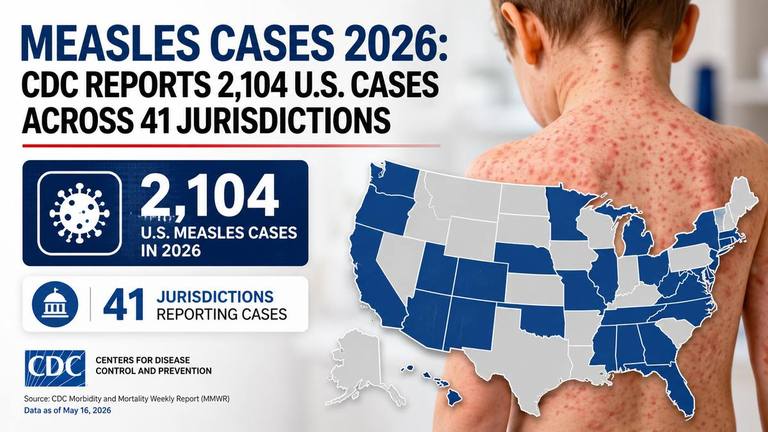
CDC reported 2,104 confirmed measles cases in the United States in 2026 as of its June 18 update, with resident cases reported by 41 jurisdictions. Most confirmed cases are linked to outbreaks, and state health departments may post local exposure updates before CDC’s national page changes.