 orywire
News that matters globallyReporting on public life and major developments across the U.S., the UK, and beyond.
orywireThree hikers died after apparent heat-related illness on the South Kaibab and North Kaibab trails, the National Park Service said. The National Weather Service has issued an Extreme Heat Warning for lower elevations of the Grand Canyon from Monday morning through Tuesday evening.
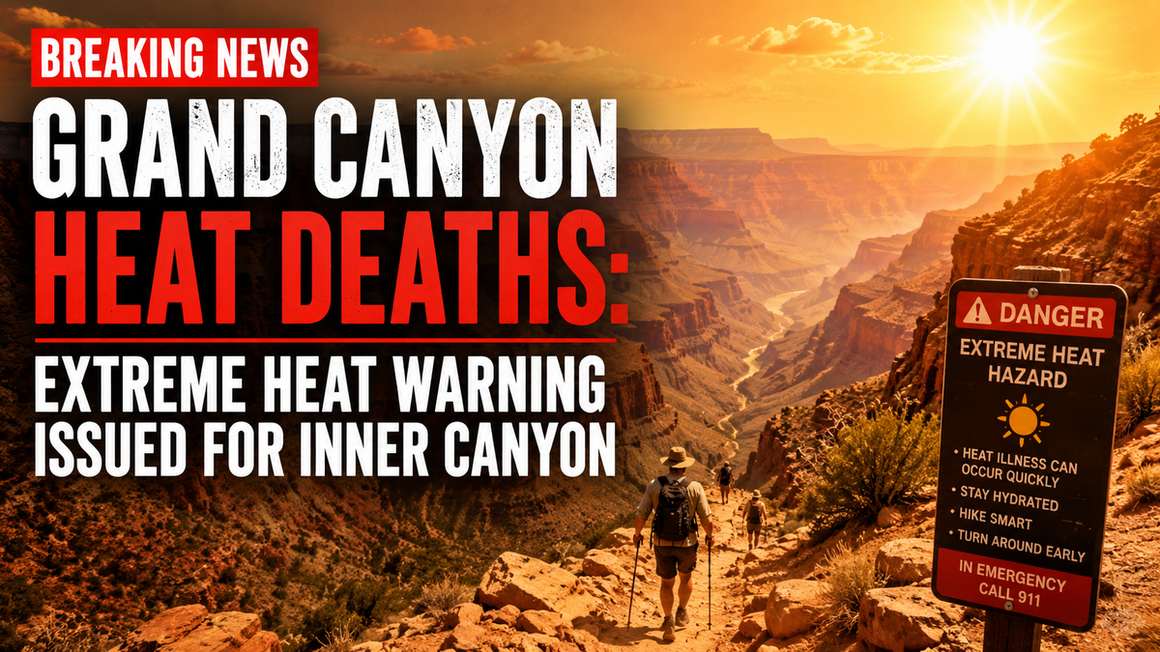
Three hikers have died after apparent heat-related illnesses on Inner Canyon trails at Grand Canyon National Park, and the National Weather Service has issued an Extreme Heat Warning for lower elevations of the park. Visitors heading below the rim should avoid Inner Canyon trails from 10 a.m. to 4 p.m. and check current water and weather conditions before starting a hike.
Grand Canyon National Park said rangers and emergency personnel responded to two heat-related incidents on June 12 and June 16. Both happened on Inner Canyon trails, where midday shade temperatures can exceed 109°F during summer.
On June 12, a 72-year-old man succumbed to symptoms of heat-related illness along the South Kaibab Trail, the park said.
On June 16, a 67-year-old man and a 68-year-old woman appeared to have succumbed to symptoms of heat-related illness on the North Kaibab Trail. The National Park Service said that investigation was still ongoing.
All three hikers were found deceased when responders arrived, despite rapid response and aerial support, according to the park. They were transported to the Coconino County Medical Examiner’s Office. The park’s release did not identify the hikers and said no additional information was available.
The National Weather Service in Flagstaff issued an Extreme Heat Warning for lower elevations of the Grand Canyon below 4,000 feet.
The warning is in effect from 10 a.m. Monday, June 22, to 7 p.m. MST Tuesday, June 23. The weather service said daytime temperatures are expected to range from 101°F at Havasupai Gardens to 112°F at Phantom Ranch.
The broader Grand Canyon Country forecast also called for highs around 108°F along the Colorado River on Sunday and around 111°F along the river on Monday, while rim temperatures were forecast to remain much cooler.
The weather service said most people will be at risk for heat-related illness without effective cooling or adequate hydration, especially during prolonged outdoor exposure.
The Grand Canyon can feel misleading at the start of a hike. Visitors often begin at the cooler rim and descend first, then face a steep climb back out when the Inner Canyon is hotter.
The National Park Service says the South Rim is about 7,000 feet in elevation and the North Rim is about 8,000 feet. During warmer months, temperatures rise sharply as hikers descend, and Phantom Ranch can average about 30°F hotter than the rims.
Summer heat also affects rescue conditions. The park warns that emergency help can be delayed because of limited staff, multiple rescue calls, employee safety requirements and limits on helicopter flying during extreme heat or bad weather.
The park is strongly advising visitors to avoid strenuous hiking between 10 a.m. and 4 p.m. Inner Canyon hikes should be planned for early morning or evening hours.

At least 12 people were shot and one other person was injured after a red SUV pulled up near a crowd in Chicago’s Princeton Park area. Authorities had not announced arrests in the latest reports checked.
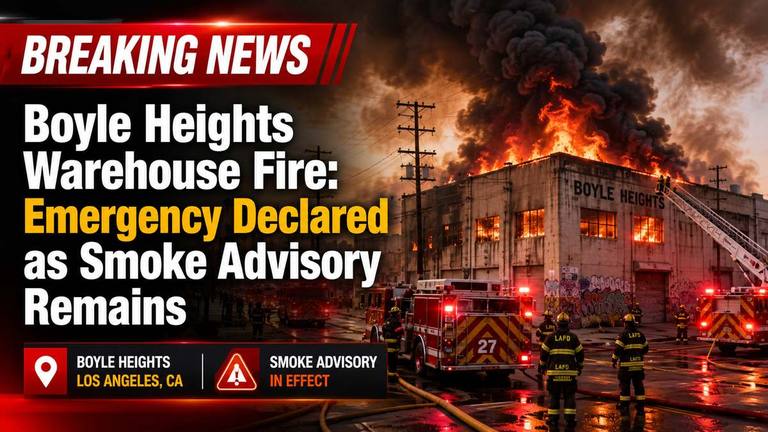
Emergency declarations are in place as crews continue work at a Boyle Heights cold-storage warehouse. The shelter-in-place order has been lifted, but officials say residents should still limit smoke exposure and check air-quality updates.
Hikers should carry the water they need, bring electrolyte replacement and salty snacks, and check trail water status before leaving. The park’s key hiking messages said water availability can change suddenly because of waterline breaks.
At the last check, the park listed water as off at the North Rim, North Kaibab Trailhead and Supai Tunnel. Water was listed as on at several other corridor points, including Manzanita Day Use Area, Cottonwood Campground and Day Use Area, Phantom Ranch Canteen, Bright Angel Campground, Havasupai Gardens and Bright Angel Trail resthouses.
The park says symptoms of heat-related illness can include headache, disorientation and confusion. Anyone experiencing those symptoms should stop activity and seek shade immediately. If heat stroke is suspected, the National Weather Service says it is an emergency and 911 should be called.
The warning, trail conditions and water availability can change quickly. Visitors should check the National Weather Service forecast and Grand Canyon National Park’s key hiking messages before heading below the rim.
The park has described the three deaths as apparent heat-related deaths. Final determinations and any additional details would come from the ongoing investigation or the medical examiner.

The FAA has barred unauthorized drone flights near U.S. World Cup stadiums and selected fan events. Operators can face steep fines, criminal charges and drone seizures, and federal officials have announced seizures near tournament sites.