 orywire
News that matters globallyReporting on public life and major developments across the U.S., the UK, and beyond.
orywireThe FAA has barred unauthorized drone flights near U.S. World Cup stadiums and selected fan events. Operators can face steep fines, criminal charges and drone seizures, and federal officials have announced seizures near tournament sites.
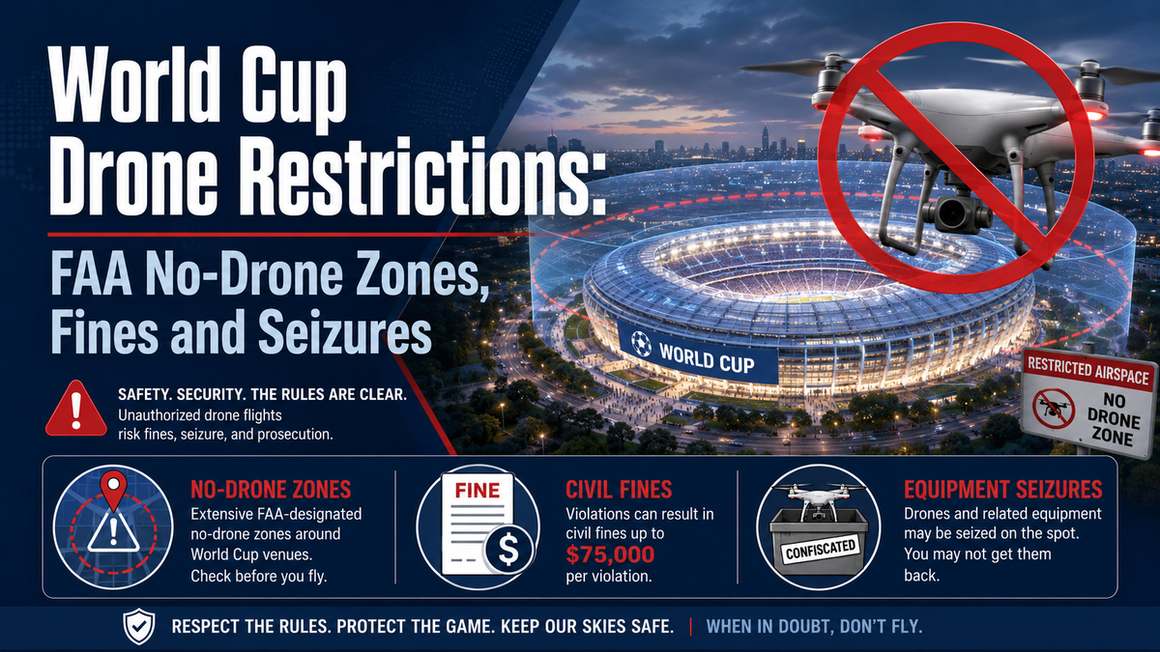
Fans and drone operators should not fly drones near U.S. World Cup stadiums, fan festivals or other official event areas unless they have specific authorization. FAA no-drone zones, formally temporary flight restrictions, are in effect around match venues and selected fan events, and violations can bring steep fines, criminal charges and seizure of the drone.
During match days, the Federal Aviation Administration says all aircraft operations, including drones, are prohibited within a 3-nautical-mile radius and up to 3,000 feet above ground level around listed stadiums, unless authorized by air traffic control.
The restrictions apply on listed match dates at U.S. venues including SoFi Stadium, Levi’s Stadium, Lumen Field, AT\&T Stadium, NRG Stadium, Mercedes-Benz Stadium, Gillette Stadium, Hard Rock Stadium, Arrowhead Stadium, MetLife Stadium and Lincoln Financial Field.
The FAA also lists separate restrictions for certain fan-event locations. At those sites, unauthorized drone operations are barred within a 1-nautical-mile radius and up to 1,000 feet above ground level.
Those locations include fan zones or event areas in Los Angeles, Dallas, Houston, Atlanta, Boston, Miami, Kansas City, the New York area and Philadelphia. The FAA says locations can change and additional sites may be added.
The FAA says flying a drone inside a restricted World Cup no-drone zone can lead to civil penalties of up to $75,000 per violation, criminal fines of up to $100,000, drone confiscation and possible federal criminal charges.
Federal law enforcement can use counter-drone tools to detect, track, intercept or seize unauthorized drones in restricted airspace. The FAA also says its Drone Expedited and Targeted Enforcement Response program will be used during the World Cup to speed enforcement of drone violations.
The U.S. Attorney’s Office in Kansas City has also warned that violations can result in up to a year in prison, depending on the case.
Reuters reported Thursday that U.S. agencies have seized more than 50 drones near FIFA World Cup sites since the tournament began, citing Homeland Security Secretary Markwayne Mullin. Reuters also reported that the Department of Homeland Security said there had been more than 150 drone incursions into prohibited airspace at eight game locations.
Federal prosecutors in Kansas City said a joint operation intercepted eight drones during June 16 World Cup events at Kansas City Stadium and the FIFA Fan Festival. The FBI seized the eight drones and controllers, and two operators were issued misdemeanor violation notices, according to the U.S. Attorney’s Office for the Western District of Missouri.
In Atlanta, the U.S. Attorney’s Office for the Northern District of Georgia said FBI Atlanta’s counter-drone task force had seized 21 drones, including one connected to a federal complaint alleging a drone was flown over Centennial Olympic Park during the FIFA Fan Festival. The complaint contains only allegations, and the defendant is presumed innocent unless proven guilty.
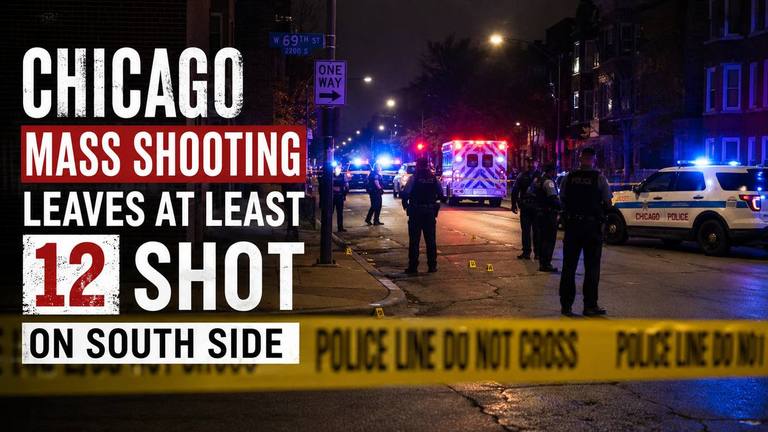
At least 12 people were shot and one other person was injured after a red SUV pulled up near a crowd in Chicago’s Princeton Park area. Authorities had not announced arrests in the latest reports checked.
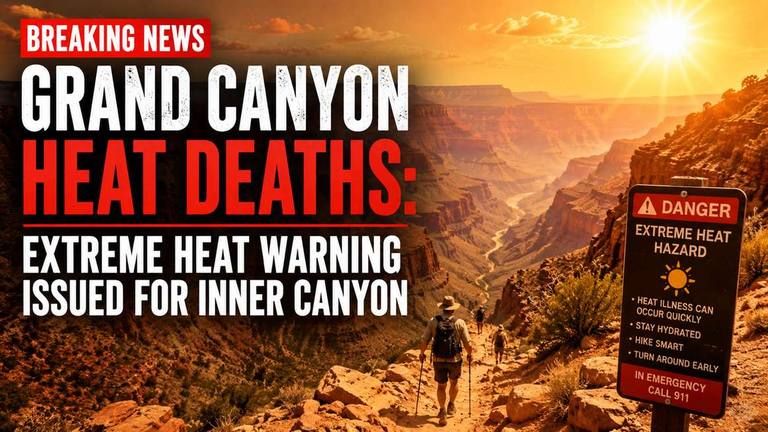
Three hikers died after apparent heat-related illness on the South Kaibab and North Kaibab trails, the National Park Service said. The National Weather Service has issued an Extreme Heat Warning for lower elevations of the Grand Canyon from Monday morning through Tuesday evening.
The safest choice for fans is simple: do not bring a drone to a World Cup stadium or official fan event. A drone flight that is legal on an ordinary day may be illegal when a temporary flight restriction is active.
Operators should check FAA notices before every flight, including FAA-approved B4UFLY services and active Temporary Flight Restrictions. The FAA flight advisory says operators should check NOTAMs, or Notices to Air Missions, often because exact dates, times and restrictions are listed there once issued.
Commercial operators, media crews or public agencies should not assume a waiver or regular drone authorization covers a World Cup site. The FAA advisory says UAS, or unmanned aircraft system, operations inside defined restricted airspace must be pre-approved through the FAA System Operations Support Center, and requests can require at least 24 hours for disposition.
The FAA says World Cup no-drone-zone locations may change and additional sites may be added, including locations tied to team hotels, base camps and training facilities. Because restrictions are tied to match days, fan events and security operations, rules around a specific site can vary by date and time.
Fans, residents and operators should check the FAA before flying and report unsafe drone activity to local law enforcement or the FBI. Updates are most likely if the FAA adds locations, federal agencies release new seizure totals or prosecutors announce new charges.
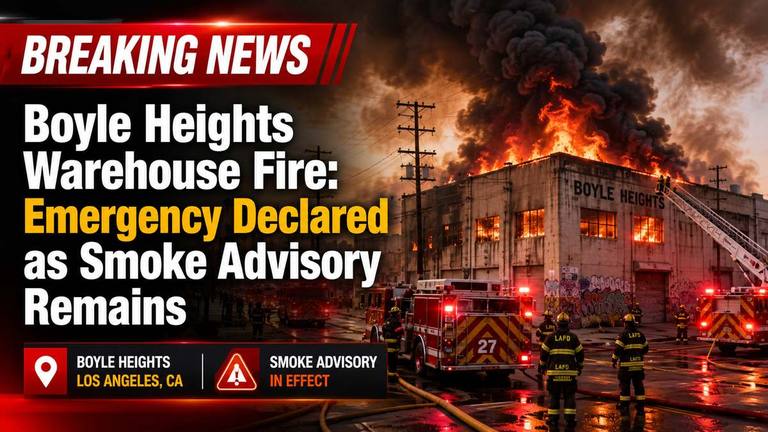
Emergency declarations are in place as crews continue work at a Boyle Heights cold-storage warehouse. The shelter-in-place order has been lifted, but officials say residents should still limit smoke exposure and check air-quality updates.