 orywire
News that matters globallyReporting on public life and major developments across the U.S., the UK, and beyond.
orywireCrude prices fell after President Trump called off threatened strikes on Iran, easing the immediate supply-risk premium. Traders are still watching whether a U.S.-Iran deal materializes and whether oil flows through the Strait of Hormuz normalize.
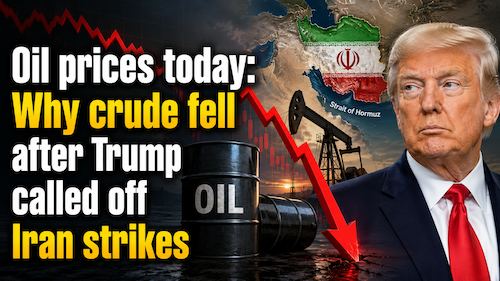
Oil prices fell Friday after President Donald Trump called off threatened strikes on Iran, removing part of the immediate war-risk premium from crude. Market data at the final check showed WTI near $84 a barrel and Brent near $88, though both benchmarks remained volatile as traders waited to see whether diplomacy would restore steadier shipping through the Strait of Hormuz.
Reuters reported earlier Friday that Brent futures fell $3.13, or 3.46%, to $87.25 a barrel, while U.S. West Texas Intermediate crude fell $3.14, or 3.58%, to $84.57. Reuters said both contracts had reached their lowest levels since April 17.
Oil prices often rise when traders see a higher risk that a conflict could interrupt production, exports or shipping. Friday’s drop reflected the opposite: the immediate threat of new U.S. strikes eased, so some traders took risk premium out of the market.
The move was not a sign that all supply concerns disappeared. It was a repricing of the most urgent headline risk after Trump called off the planned military action and pointed to progress in talks.
Reuters separately reported that Trump said the United States and Iran could sign a peace deal soon, but Iran said no final decision had been made. That matters for oil because markets are reacting not only to statements, but also to whether tankers, insurers, refiners and exporters see a durable path back to normal flows.
The Strait of Hormuz remains the central energy-market risk. The U.S. Energy Information Administration says oil flows through the strait averaged about 20 million barrels per day in 2024, equal to about 20% of global petroleum liquids consumption. It also said the strait accounted for more than one-quarter of global seaborne oil trade and about one-fifth of global liquefied natural gas trade.
That is why even a diplomatic opening can leave crude prices unsettled. If the strait is open in practice and shipping confidence returns, prices could lose more risk premium. If traffic remains limited, traders may keep paying up for supply security.
The Energy Information Administration also notes that alternatives are limited. Saudi Arabia and the United Arab Emirates have pipelines that can bypass Hormuz, but those routes cannot replace all normal seaborne volumes. In a real disruption, the difference between “some ships moving” and “normal flows restored” is large enough to move global prices.
The first question is whether a U.S.-Iran memorandum is actually signed. Reuters reported that a proposed agreement could come soon, but also reported that Iran had not reached a final conclusion. Until there is a signed deal and a clear implementation path, traders are likely to treat the diplomatic news as positive but incomplete.
The second question is physical shipping. Traders will watch tanker movements, insurance costs, military statements and export data for evidence that flows through Hormuz are becoming more predictable.
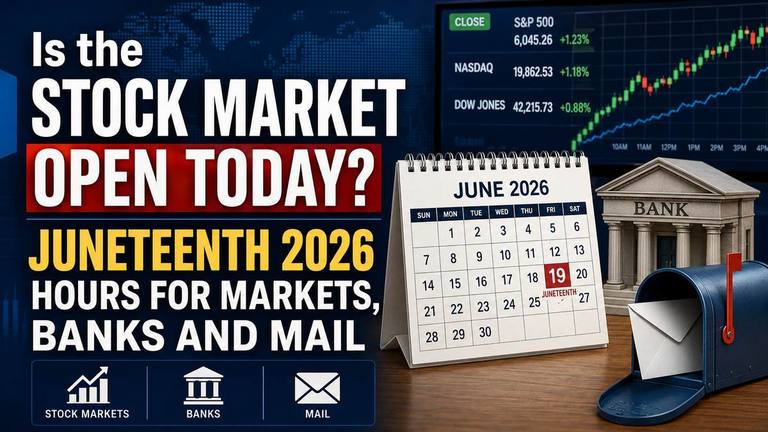
The NYSE and Nasdaq are closed Friday, June 19, for Juneteenth 2026. USPS and many banks are also closed or on holiday schedules, while UPS and FedEx list services as open.
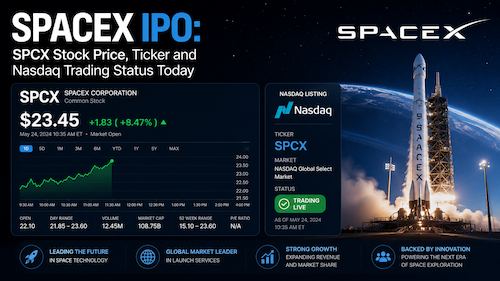
SpaceX priced its IPO at $135 a share and expects SPCX to begin trading on Nasdaq on June 12. As of the latest check, Nasdaq listed SPCX as not trading, with no opening market price yet.
The third question is inventories. In its June Short-Term Energy Outlook, the Energy Information Administration said global oil markets remained volatile and assumed that flows through the Strait of Hormuz would gradually start to resume in the third quarter of 2026. The agency also warned that oil inventories had been drawn down as disrupted supply persisted.
That inventory backdrop is why prices can fall sharply on a de-escalation headline and still remain sensitive to the next reversal. If oil stocks keep falling while summer fuel demand remains firm, the market can tighten again quickly.
A drop in crude can eventually ease pressure on gasoline, diesel and jet fuel prices, but drivers should not expect a one-day crude move to show up immediately at the pump.
The Energy Information Administration says crude oil is the largest component of U.S. retail gasoline prices, but pump prices also include taxes, refining costs and profits, distribution and marketing. Refining margins, regional supply, local taxes and station-level competition can all slow or change how crude-price moves reach consumers.
For households and businesses, the practical takeaway is that lower crude is helpful, but not a guarantee of immediate fuel-price relief. A sustained move lower in crude, steadier refinery operations and calmer shipping conditions would matter more than a single trading session.
The bearish case for crude is straightforward: a signed U.S.-Iran agreement, verified shipping through Hormuz and improving inventory data would give traders less reason to pay a conflict premium.
The bullish case is also clear. Prices could rebound if talks stall, if the United States or Iran renews threats, if tanker traffic worsens, or if inventories fall faster than expected. Markets are especially sensitive because the same headline can affect both supply expectations and broader inflation concerns.
For now, oil’s decline is best read as a relief move, not a settled outcome. The next durable signal will come from whether diplomatic progress turns into safer, more reliable energy flows.

SpaceX shares are expected to begin trading June 12 under the ticker SPCX, according to SEC-filed IPO materials. The final IPO price is expected June 11, with the filing materials listing $135 as the indicative price.