 orywire
News that matters globallyReporting on public life and major developments across the U.S., the UK, and beyond.
orywireThe White House sent Congress the text of an interim U.S.-Iran agreement, Reuters reported. The document sets a 60-day negotiating window while leaving Iran’s nuclear program, sanctions and the deal’s durability unresolved.
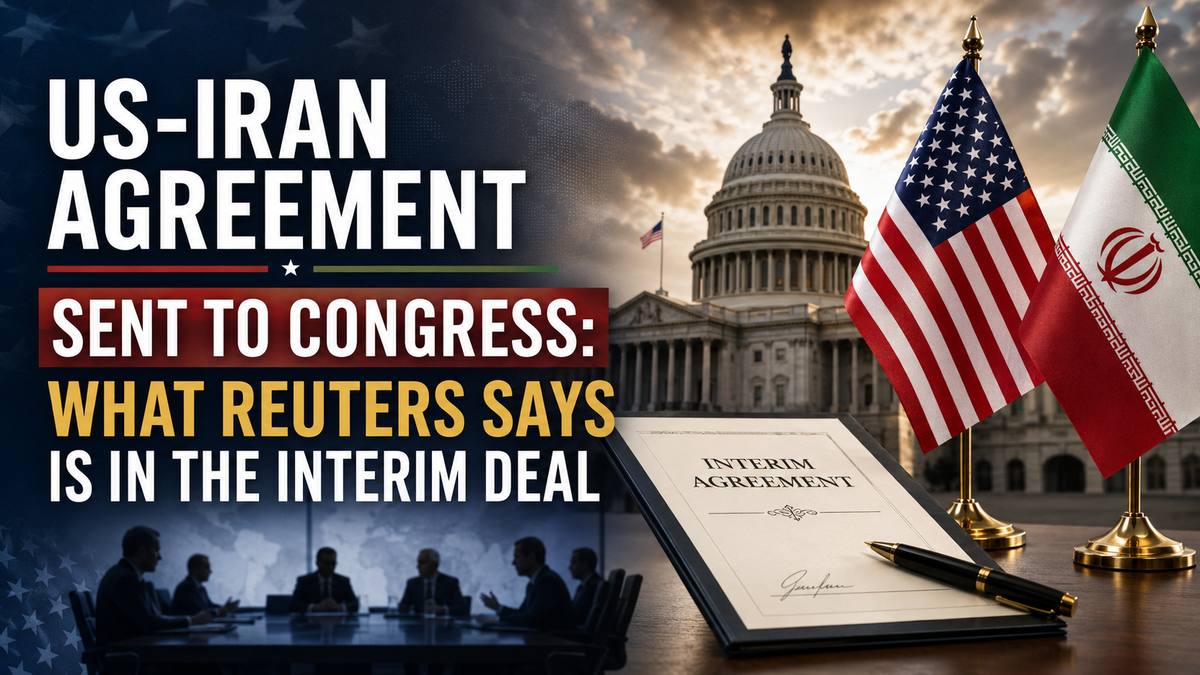
The White House sent Congress a copy of an interim U.S.-Iran agreement on Thursday, Reuters reported, giving lawmakers a first look at a document meant to stop fighting while leaving a final settlement for later talks. Reuters said the document sets a 60-day negotiating window and includes commitments on military operations, Iranian ports and commercial passage through the Strait of Hormuz.
The agreement is not a completed long-term settlement. It is an interim framework that moves the hardest disputes — including Iran’s nuclear program, sanctions and the future rules for Hormuz shipping — into follow-up negotiations.
Reuters said the document is titled the “Islamabad Memorandum of Understanding between the Islamic Republic of Iran and the United States of America.”
According to Reuters, the text begins with a declaration of an immediate and permanent end to military operations on all fronts, including Lebanon. It also says the United States would fully end its naval blockade on Iranian ports within 30 days.
In return, Reuters reported, Iran would ensure safe passage for commercial vessels at no charge in the Strait of Hormuz for 60 days. The strait is a major route for global oil and gas shipments, and its reopening is one of the most immediate practical effects of the interim pact.
The document also commits Washington and Tehran to negotiate a final deal within 60 days. That window can be extended if both sides agree, Reuters said.
Reuters reported that the document bears signatures on behalf of both Iran and the United States, with Pakistan signing as witness and mediator.
Vice President JD Vance said the 60-day period officially began Thursday, Reuters reported. That timing matters because the interim deal appears designed to stabilize the conflict and reopen shipping while negotiators decide what comes next.
Reuters separately reported that oil tankers sailed through the Strait of Hormuz and that the United States said it had lifted its blockade on Iran as the deal took effect. Iran signaled it would still issue permits and direct traffic during the 60-day period, though no fees would be charged.
That means the waterway is moving again, but the longer-term rules for how it is governed are not settled.
Switzerland’s foreign ministry said first implementation talks are expected Friday, June 19, at the Bürgenstock in the canton of Nidwalden. The ministry said the United States and Iran are expected to meet there with mediators Pakistan and Qatar, but gave no further details on the agenda.
The biggest unresolved issue is Iran’s nuclear program.
Reuters has reported that the interim framework leaves difficult nuclear questions for the next phase of talks. Those include the future of Iran’s highly enriched uranium, the scope of inspections and any lasting limits on nuclear activity.
Trump has said the deal makes clear that Iran will not have a nuclear weapon. Iran has long said its nuclear program is for peaceful purposes. The interim document described by Reuters does not amount to a final nuclear settlement.
Vance also said Washington would seek to limit Tehran’s long-range missiles, Reuters reported. That suggests missile restrictions remain part of the next phase rather than a fully resolved term in the interim agreement.
Sanctions relief is another unsettled part of the broader negotiation.
Reuters reported that lawmakers have criticized reports involving frozen Iranian assets, a $300 billion private wealth fund tied to investment in Iran and possible easing of sanctions. Those issues have become central to the congressional reaction because critics say Iran is receiving benefits before a final nuclear agreement is reached.
The interim text sent to Congress, as described by Reuters, sets the negotiating structure. It does not resolve the final shape of sanctions relief, financial incentives or nuclear restrictions.
The handoff to Congress matters because lawmakers from both parties had been pressing for details.
Reuters reported that congressional aides said there had been no briefings for Congress on the deal or the administration’s plans as of Thursday, and no announcement that briefings had been scheduled.
Congress may also have a formal role later. Reuters noted that under the 2015 Iran Nuclear Agreement Review Act, any agreement involving Iran’s nuclear program and easing sanctions must be reviewed by Congress. The Trump administration has given mixed signals on whether a final deal would be sent through that process, Reuters reported.
For now, lawmakers have the interim text, but the larger political fight may depend on what the administration negotiates during the 60-day window.
The next meaningful update would be the release of the full agreement text to the public, a formal congressional briefing or new details from the implementation talks in Switzerland.
The main issues to watch are whether shipping through the Strait of Hormuz remains open, whether the ceasefire holds in Lebanon, what nuclear inspection terms emerge and whether the administration commits to congressional review of any final nuclear-and-sanctions package.
Until those points are settled, the U.S.-Iran agreement should be understood as a temporary framework, not a final deal.
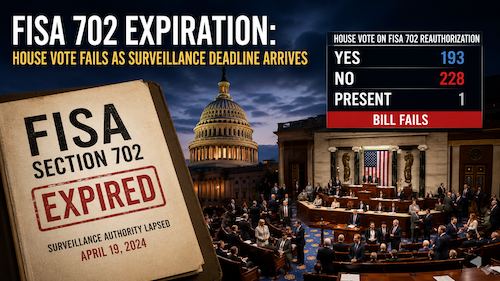
The House rejected a short-term extension of FISA Section 702, leaving a major surveillance authority at its June 12 deadline. Here is what Section 702 does, what expires and what Congress can do next.

The government wants device-level nudity blocking on children’s smartphones and tablets. The plan is not law yet, but tech firms have been given three months to act before ministers consider legislation.
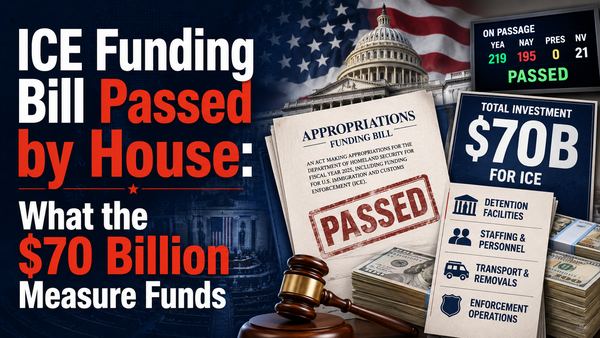
The House passed S. 2, the Secure America Act, a nearly $70 billion immigration-enforcement funding bill for ICE, Border Patrol and DHS through fiscal 2029. The measure now goes to President Donald Trump after a 214-212 House vote.